Yes, you can add air conditioning and heating to a shed. In fact, climate control can completely change how useful your shed is throughout the year.
A basic storage shed may only need protection from rain, snow, and direct sunlight. But if you plan to spend time inside your shed, comfort becomes much more important. A shed used as a home office, workshop, hobby room, studio, or backyard retreat can become uncomfortable when summer heat or winter cold arrives.
Adding heating and air conditioning can help turn your shed into a space that feels much more comfortable in every season.
The important part is planning ahead.
The right heating and cooling setup depends on the size of your shed, how you plan to use it, the amount of insulation it has, and its electrical setup. When these details are considered during the design process, you can create a shed that is better prepared for year round use.
At TruPoint Backyards, you can customize your shed with features that support a more comfortable interior, including insulation, electrical options, air conditioning, baseboard heating, windows, and other interior upgrades.
Let’s look at what you should know before adding heating and air conditioning to your shed.
Why Add Heating and Air Conditioning to a Shed?
Not every shed needs climate control.
If your shed will only hold lawn equipment, garden tools, outdoor furniture, and seasonal decorations, heating and cooling may not be necessary.
However, things change when the shed becomes a space you actually plan to use.
Maybe you want a quiet backyard office where you can work without distractions. Perhaps you want a workshop where you can spend several hours on projects. You may want a craft room, art studio, hobby space, or simply a comfortable place to relax.
In those situations, temperature matters.
During an Indiana summer, the inside of an unconditioned shed can become uncomfortable quickly. During winter, cold temperatures can make the same space difficult to use for long periods.
Heating and air conditioning give you more control over the interior environment.
That means your shed does not have to sit unused during the hottest and coldest parts of the year.
What Types of Sheds Benefit Most From Climate Control?
Heating and cooling can be useful in many sheds, but some uses benefit from it much more than others.
Home Office Sheds
A backyard office needs to be comfortable if you plan to work inside for several hours each day.
Air conditioning can keep the space cooler during summer, while heating can make winter mornings much more pleasant.
Temperature control can also help you create an interior that feels less like a traditional storage shed and more like a dedicated workspace.
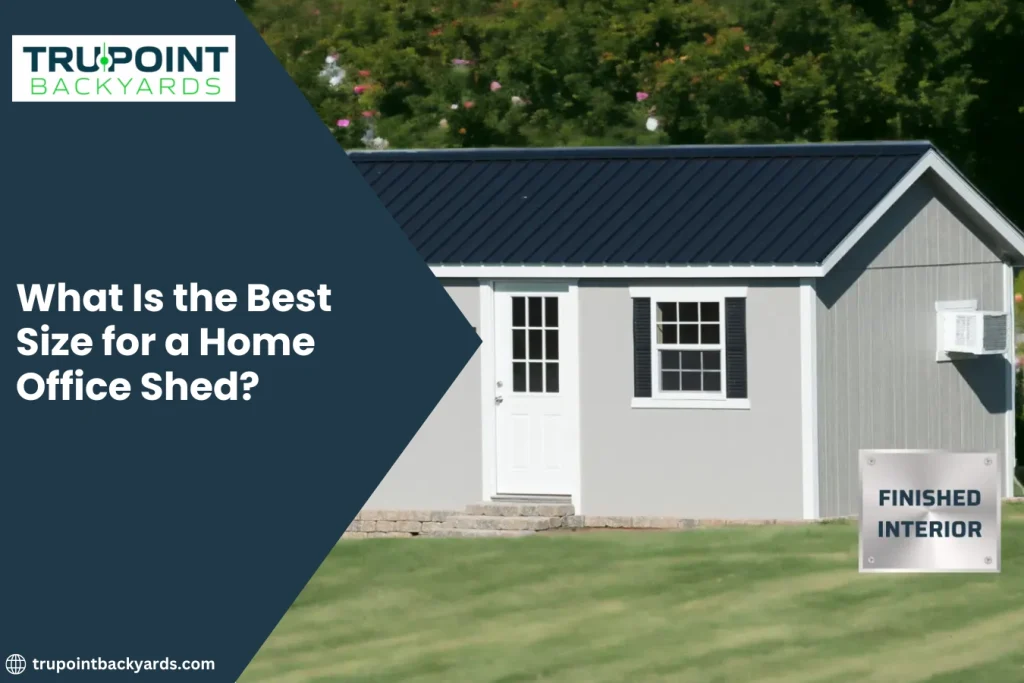
With the right layout, windows, electrical setup, insulation, lighting, and climate control, a backyard shed can become a practical place to focus and get work done.
Workshop Sheds
If you enjoy woodworking, repairs, crafts, or other hands on projects, you probably do not want the weather deciding when you can use your workshop.
A climate controlled workshop can give you a more consistent place to work throughout the year.
Heating can make winter projects more comfortable, while air conditioning can provide relief during warm summer afternoons.
Hobby and Craft Sheds
Crafting, painting, sewing, model building, and similar hobbies often require you to spend long periods inside one space.
Comfort makes a difference.
Instead of moving your hobby supplies back into the house every time temperatures become uncomfortable, a properly planned shed can give you a dedicated creative space.
Backyard Studios
A shed can also become an art studio, music room, photography space, or other creative area.
These uses often involve equipment and materials that you may prefer to keep in a more controlled environment.
Adding insulation and climate control can make the shed much more practical for regular use.
Personal Retreats
Sometimes you simply need a little extra space.
A comfortable shed can become a reading room, quiet retreat, game room, or relaxing backyard getaway.
Heating and cooling make it easier to enjoy that space during more months of the year.
Can You Put an Air Conditioner in a Shed?
Yes. Air conditioning can be added to a shed, provided the shed and its electrical system are properly prepared for the unit being installed.
TruPoint Backyards offers an air conditioner among its available electrical options, making it possible to consider cooling as part of your shed design.
The best cooling solution will depend on several factors.
These include:
- Shed size
- Insulation
- Number and location of windows
- Amount of direct sunlight
- Intended use of the shed
- Electrical capacity
- How frequently you plan to use the space
A smaller shed that is well insulated may require much less cooling than a large shed that receives direct afternoon sunlight.
This is why simply choosing an air conditioner is only part of the process.
The entire shed should work together to help maintain a comfortable interior.
Can You Add Heat to a Shed?
Yes, you can heat a shed as well.
TruPoint Backyards offers a baseboard heater as one of its available electrical options.
Heating can be especially useful if you want your shed to function as a workspace, office, studio, or hobby room during Indiana winters.
Just like air conditioning, heating works best when the shed is prepared for it.
Without proper insulation, much of the warmth can escape through the walls, roof, floor, windows, and doors. Your heating system may have to work harder just to maintain a comfortable temperature.
That is why insulation should be one of the first things you consider when planning a heated shed.
Insulation Makes Heating and Cooling More Effective
If you want a climate controlled shed, insulation is an important part of the conversation.
Think about what happens inside an uninsulated structure.
During summer, outdoor heat can enter the shed quickly. Your air conditioner has to keep running to fight that heat.
During winter, the opposite happens. Warm air escapes and cold outdoor temperatures affect the interior much faster.
Insulation helps slow this transfer of heat.
That can make it easier to maintain a more comfortable indoor temperature.
TruPoint Backyards offers insulation and paneling among its interior upgrades. The Cottage model also comes with insulation and paneling.
If you already know you want to spend significant time inside your shed, discussing insulation during the design stage can save you from having to make larger changes later.
Do Not Forget About the Shed Floor
Walls and ceilings usually receive most of the attention when people think about insulation, but the floor matters too.
Cold can transfer through the floor during winter, especially when you spend several hours inside the shed.
TruPoint Backyards offers floor insulation options that can help prepare a shed for more comfortable use.
Planning the floor correctly from the beginning can be especially helpful for offices, studios, workshops, and other spaces where you expect to spend a lot of time.
It is another reason to think about the shed as a complete system rather than simply adding a heater or air conditioner after everything else is finished.
How Techshield Can Help During Warm Weather
Cooling a shed is not only about installing an air conditioner.
Reducing the amount of heat entering the structure can also make a difference.
TruPoint Backyards uses Techshield radiant barrier technology as part of its premium construction approach. The radiant barrier helps reduce solar heat gain, which can help keep the interior cooler during warm weather.
That is useful whether your shed has air conditioning or not.
If you do plan to cool the shed, reducing heat gain can also support a more comfortable interior.
This type of feature is easy to overlook when comparing sheds based only on size and appearance, but construction details matter when you plan to use the interior regularly.
Your Electrical Setup Matters
Air conditioners and electric heaters require power, so your shed needs an electrical system that is suitable for the equipment you plan to use.
TruPoint Backyards offers several electrical options, including:
- Breaker boxes
- Interior lights
- Exterior lights
- Receptacles
- Light switches
- Air conditioners
- Baseboard heaters
This gives you the opportunity to think about your electrical needs while designing the shed rather than treating electricity as an afterthought.
For example, imagine you are building a home office shed.
You may need power for your air conditioner, heater, computer, monitors, lighting, printer, phone chargers, and other equipment.
A workshop may have even greater electrical needs because you could be operating tools and equipment.
Planning these requirements early helps create a cleaner and more functional finished space.
Electrical work should always meet applicable local codes and requirements. Depending on your property and project, permits or work by a qualified electrician may also be necessary.
Windows Can Affect Shed Temperature Too
Windows are great for natural light, but their placement can also affect interior comfort.
A shed with several windows receiving strong afternoon sunlight may warm up more quickly than a shed with fewer windows or a different orientation.
That does not mean you should avoid windows.
Instead, think carefully about how many you need and where they should go.
For a home office or studio, natural light may be one of your biggest priorities. A storage focused shed may need fewer windows.
The goal is to find the right balance between natural light, ventilation, privacy, and temperature control.
TruPoint Backyards offers customizable window and door options, allowing you to create a layout that makes sense for how you plan to use your shed.
Should You Plan Climate Control Before Buying the Shed?
Whenever possible, yes.
You can sometimes add heating and cooling later, but planning for them from the beginning is usually much easier.
When you already know the shed will become an office, workshop, studio, or similar space, tell your shed builder how you plan to use it.
That allows you to consider several important features together.
You can plan:
- Insulation
- Electrical requirements
- Heating
- Air conditioning
- Window placement
- Door placement
- Interior lighting
- Receptacles
- Interior walls
- Flooring
- Workbenches
- Shelving
Instead of purchasing a basic storage shed and trying to transform it afterward, you can start with a shed that is much closer to what you actually need.
That is one of the advantages of choosing a customizable shed.
What Size Air Conditioner Does a Shed Need?
There is no single air conditioner size that works for every shed.
A small backyard office and a large workshop have very different cooling requirements.
The correct system depends on factors such as the shed’s interior dimensions, insulation level, window area, sun exposure, ceiling height, local climate, and how many people regularly use the space.
Equipment inside the shed can matter too.
Computers, power tools, lighting, and other electronics may generate additional heat.
This is why it is better to choose your cooling system based on the finished space rather than guessing.
An HVAC professional can help determine the proper capacity for your specific setup.
Choosing the right size matters. A system that is too small may struggle to keep the shed comfortable. A system that is much larger than necessary may not operate as efficiently as expected.
What Size Heater Does a Shed Need?
Heating requirements work in a similar way.
A larger shed generally requires more heating capacity than a small one, but square footage is not the only factor.
Insulation, windows, doors, ceiling height, outdoor temperatures, and how often the shed is used can all affect your heating needs.
A well insulated shed may retain warmth much better than a similar shed with little or no insulation.
Before choosing a heater, consider how you plan to use the space.
If you only visit your workshop occasionally, your needs may be different from someone working in a backyard office five days a week.
Is a Climate Controlled Shed Expensive to Operate?
Operating costs depend heavily on the shed and how you use it.
A small, properly insulated shed may be relatively easy to heat or cool compared with a larger structure that has little insulation.
Your habits matter as well.
Keeping the air conditioner running every day will use more electricity than cooling the shed only when you are inside. The same is true for heating.
Several choices can help make climate control more practical:
- Choose appropriate insulation
- Select properly sized heating and cooling equipment
- Keep doors and windows closed while the system is operating
- Consider sun exposure when choosing shed placement
- Plan windows carefully
- Use the space only when needed
- Reduce unnecessary air leakage
Good planning can make a noticeable difference.
Does a Storage Shed Need Heating or Air Conditioning?
Usually, a shed used only for ordinary outdoor storage does not need full climate control.
Garden tools, lawn equipment, bicycles, and many other common storage items can generally be kept in a standard shed.
However, your storage needs may be different if you plan to keep items that are sensitive to extreme temperatures or humidity.
Always check the storage recommendations for specific belongings before deciding where to keep them.
The bigger question is how you expect the shed to evolve.
A shed that begins as storage today might become a workshop or hobby space later.
If you think that is possible, planning for future electrical and insulation needs during the original design can be a smart decision.
Can You Turn an Existing Shed Into a Climate Controlled Space?
In many cases, yes.
An existing shed may be upgraded with insulation, electricity, heating, and cooling.
However, the amount of work required depends on how the shed was originally built.
You may need to evaluate:
- Wall construction
- Roof construction
- Floor condition
- Existing insulation
- Electrical access
- Ventilation
- Windows and doors
- Moisture issues
- Overall structural condition
Sometimes upgrading an existing shed makes sense.
In other situations, starting with a shed designed for your intended purpose can give you a cleaner result and reduce the number of modifications required later.
If you are still shopping for a shed and already know climate control is important, planning those features before construction gives you much more control over the final space.
Heating and Cooling Can Expand What Your Shed Can Become
One of the best things about a modern shed is its flexibility.
It does not have to be a simple place where you store a mower and a few garden tools.
With thoughtful planning, your shed can become a useful extension of your property.
You might create a:
- Home office
- Woodworking shop
- Craft room
- Art studio
- Hobby room
- Reading room
- Backyard retreat
- Small business workspace
- Equipment room
- Personal project space
Heating and cooling help make many of these uses more realistic throughout the year.
Instead of asking whether you can add climate control to a shed, it may be more helpful to ask what you want your shed to become.
Once you know the answer, you can choose the features that support that goal.
Other Features to Consider for a Comfortable Shed
Heating and air conditioning are important, but comfort comes from more than temperature alone.
If you are designing a shed that you plan to use regularly, think about the entire interior experience.
Natural Light
Windows can make a smaller shed feel brighter and more open.
For offices, studios, and craft rooms, natural light can make the space much more enjoyable.
Interior Lighting
Natural light will not always be available, especially during winter evenings.
Interior lighting gives you the flexibility to use your shed whenever you need it.
Receptacles
Think about where furniture, equipment, tools, and electronics will be placed.
Strategically positioned receptacles can help you avoid extension cords running across the floor.
Shelving and Workbenches
Built in storage can help you keep the floor clear and organize the space more efficiently.
TruPoint Backyards offers shelving and workbench options that can be included in your design.
Interior Walls and Paneling
A finished interior can make a shed feel much more comfortable, especially if you are creating an office or personal space.
Doors
Your door choice affects access, security, appearance, and interior layout.
Think about how frequently you will enter the shed and what equipment or furniture needs to fit through the opening.
All of these decisions work together.
Build for the Way You Will Actually Use Your Shed
It is easy to focus on what a shed looks like from the outside.
Color, siding, roof style, windows, and doors certainly matter. Your shed is part of your property, so you want it to look good.
But the interior deserves just as much thought.
Ask yourself a simple question:
What will I actually be doing inside this shed?
If you are storing a mower, your priorities may be a strong floor, wide doors, and easy access.
If you are working from home, you may care more about insulation, air conditioning, heating, windows, electricity, lighting, and interior finishes.
If you are building a workshop, you might prioritize receptacles, a workbench, shelving, lighting, and temperature control.
Your intended use should guide the design.
That is how you end up with a shed that continues to work for you instead of one you quickly outgrow.
Why Choose TruPoint Backyards for a Custom Shed?
When you plan to add heating, cooling, or other interior features, customization becomes especially valuable.
TruPoint Backyards builds sheds with the goal of creating a structure that fits the customer’s needs rather than forcing every customer into the same basic design.
You can choose from a wide variety of sizes and customize important features such as colors, windows, doors, siding, interior upgrades, structural options, and electrical features.
TruPoint also focuses on premium construction.
Features such as Techshield radiant barrier technology, sturdy floor construction, and available insulation options can be especially valuable when you want a shed that does more than basic storage.
Just as importantly, you can think about these details before your shed is built.
That means your home office can start as a home office.
Your workshop can start as a workshop.
Your hobby room can start with the features you actually need.
You are not limited to turning a basic shed into something else later.
Design Your Shed With Comfort in Mind
So, can you add air conditioning and heating to a shed?
Absolutely.
With proper planning, insulation, electricity, and appropriately sized equipment, your shed can become a much more comfortable and useful space throughout the year.
The key is to think beyond the heater or air conditioner itself.
Consider the shed’s insulation, windows, floor, electrical system, sun exposure, size, and intended use. When all of those pieces work together, climate control becomes much more effective.
If you already know you want a shed that can be used as an office, workshop, studio, hobby room, or personal retreat, TruPoint Backyards can help you plan a design around the way you intend to use the space.
Ready to Build a More Comfortable Shed?
Start by requesting a quote from TruPoint Backyards. Tell our team how you plan to use your shed, and we can help you explore the sizes, features, and available upgrades that make sense for your project.
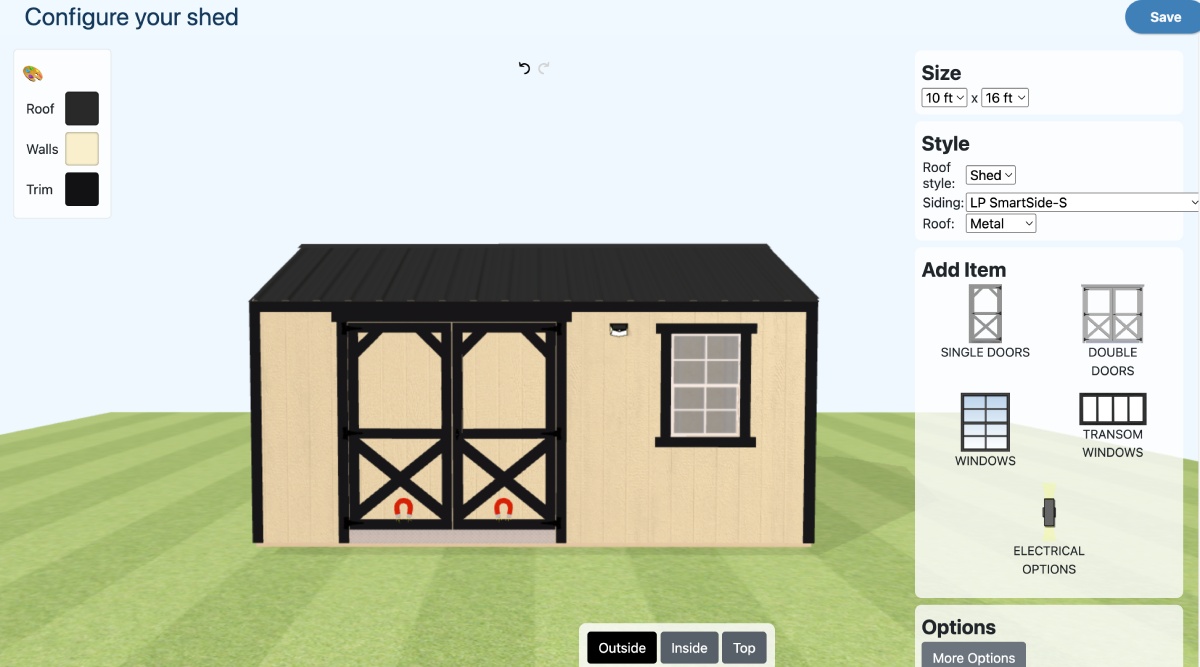
If you would rather explore your options first, use our 3D Shed Builder Tool. You can experiment with different shed sizes, colors, windows, doors, and other customization options to start creating a shed that fits your backyard and your plans.
Still have questions about heating, air conditioning, insulation, electrical features, or which shed is right for you? Contact TruPoint Backyards. Our team can help you understand your options and plan a shed that works for your needs today and in the future.