

Keeping chickens at home can be rewarding, practical, and enjoyable. Fresh eggs, natural pest control, and the fun of caring for a flock are just a few reasons many homeowners are adding chickens to their backyard. One of the most common questions new chicken owners ask is simple: How big should a chicken coop be for my flock?
It is an important question because the size of your chicken coop can affect your birds’ health, comfort, egg production, and overall happiness. If a coop is too small, chickens can become stressed, crowded, and more likely to peck each other. If it is properly sized, your flock has room to rest, nest, and move comfortably.
The good news is that choosing the right size does not have to be complicated. With the right plan, you can create a space that works now and gives you room to grow later.
At TruPoint Backyards, we help homeowners design practical outdoor buildings that fit real life needs. If you are thinking about adding a chicken coop to your property, this guide will help you understand what size makes the most sense for your flock.
Why Chicken Coop Size Matters
Many people focus on style first, but size should always come before looks. A beautiful coop that is too small can create daily problems.
A properly sized coop can help with:
- Better airflow
- Cleaner living conditions
- Less stress between birds
- Easier cleaning and maintenance
- More consistent egg laying
- Healthier chickens
- Room for feeders and waterers
- Space to grow your flock later
When chickens feel crowded, behavior issues often begin. They may compete for nesting boxes, roosting bars, or food. Giving them enough room helps prevent many common problems before they start.
General Rule for Chicken Coop Space
A simple starting point is to plan for:
- 4 square feet inside the coop per standard chicken
- 8 to 10 square feet in the outdoor run per chicken
This is a practical guideline for backyard flocks. Some owners choose more space, which is usually a smart idea.
For bantam chickens, you may need slightly less room. For larger breeds, you may want a little more.
Quick Coop Size Examples
| Number of Chickens | Minimum Coop Space | Suggested Run Space |
|---|---|---|
| 4 Chickens | 16 sq ft | 32 to 40 sq ft |
| 6 Chickens | 24 sq ft | 48 to 60 sq ft |
| 8 Chickens | 32 sq ft | 64 to 80 sq ft |
| 10 Chickens | 40 sq ft | 80 to 100 sq ft |
| 12 Chickens | 48 sq ft | 96 to 120 sq ft |
These are useful starting numbers, but there is more to consider than square footage alone.
How Many Chickens Do You Plan to Keep?
Before choosing coop size, decide how many chickens you realistically want.
Many homeowners start with four hens and later wish they had room for eight. Chickens can become a hobby quickly. That is why it often makes sense to build slightly larger than your current needs.
Ask yourself:
- Do I want eggs only for my household?
- Do I want extra eggs to share?
- Might I add more hens later?
- Do I want mixed breeds?
- Do I want room for future chicks?
If there is any chance your flock will grow, planning ahead can save money and hassle later.
Best Coop Sizes by Flock Size
Small Flock: 3 to 4 Chickens
A small family flock is a popular starting point. You get fresh eggs without needing a large setup.
Recommended coop size:
- 4×4 coop
- 4×6 coop
This size can fit sleeping space, nesting boxes, and roost bars comfortably.
Great for:
- Beginners
- Small yards
- Families wanting a few eggs daily
Medium Flock: 5 to 8 Chickens
This is often the sweet spot for many homeowners.
Recommended coop size:
- 6×6 coop
- 6×8 coop
This gives more flexibility for storage, easier movement, and added comfort.
Great for:
- Families that use eggs often
- Homeowners with moderate yard space
- People planning to expand later
Larger Backyard Flock: 9 to 12 Chickens
If you want regular egg supply and more variety, go larger.
Recommended coop size:
- 8×8 coop
- 8×10 coop
This gives room for more nesting boxes and better interior layout.
Great for:
- Larger households
- Homesteading goals
- Chicken enthusiasts
More Than 12 Chickens
Once your flock grows beyond a dozen birds, custom planning becomes even more important. Layout, ventilation, cleaning access, and outdoor run size matter more than ever.
This is where a custom solution from TruPoint Backyards can make a big difference.
Indoor Coop Space vs Outdoor Run Space
Some people focus only on the coop building itself. But chickens also need outdoor movement space.
The coop is mainly for:
- Sleeping
- Laying eggs
- Shelter from weather
- Protection at night
The run is for:
- Walking
- Scratching
- Dust bathing
- Sunlight
- Daily activity
Even a nicely sized coop can feel crowded if the run is too small. Balance both spaces.
Nesting Boxes and Roost Space Matter Too
Square footage is only one part of coop design.
Nesting Boxes
A common rule is:
- 1 nesting box for every 3 to 4 hens
So if you have 8 hens, two or three nesting boxes often work well.
Roosting Bars
Allow around:
- 8 to 12 inches of roost space per chicken
Chickens naturally want to sleep off the ground. Good roost placement helps keep them comfortable and secure.
Breed Size Changes Space Needs
Not all chickens are the same size.
Smaller Breeds
Some smaller birds need less room and are easier in compact setups.
Larger Breeds
Heavier breeds need more space to move and rest comfortably.
Mixed Flocks
If you keep multiple breeds, plan around the largest birds.
When in doubt, choose more room instead of less.
Climate Matters Too
Your local weather can affect coop sizing.
Hot Weather Areas
More interior room and better airflow can help keep birds cooler.
Cold Weather Areas
You still need ventilation, but chickens may spend more time inside during colder months. That means indoor comfort becomes even more important.
Rainy Seasons
A covered run and dry coop space are helpful during wet weather.
A well designed coop should support your flock year round.
Signs Your Coop Is Too Small
If your current setup feels crowded, chickens often show it.
Watch for:
- Pecking or bullying
- Dirty nesting boxes
- Strong odor
- Feather damage
- Stress behaviors
- Fighting over roost space
- Eggs laid outside boxes
- Constant mess around feeders
If you notice these signs, adding space can improve conditions quickly.
Why Bigger Is Often Better
Many people ask for the minimum size. But minimum space is not always the best long term choice.
Choosing a slightly larger coop offers:
- Easier cleaning
- Better airflow
- More comfort for birds
- Space for future flock growth
- Better storage for feed and supplies
- Less stress in bad weather
You rarely hear someone say their coop is too roomy.
Smart Chicken Coop Features to Include
Size matters, but design matters too.
Look for features such as:
- Windows for light and airflow
- Easy clean access doors
- Raised flooring if needed
- Predator resistant construction
- Secure latches
- Nesting box access from outside
- Strong framing
- Durable roofing
- Attractive style that matches your property
At TruPoint Backyards, practical design and curb appeal can go hand in hand.
Chicken Coop Placement Tips
Even the right size coop needs the right location.
Choose a spot with:
- Good drainage
- Easy daily access
- Some shade if possible
- Distance from property lines if required
- Space for expansion
- Room for a run
Good placement can make feeding, cleaning, and egg collection much easier.
Should You Build or Buy a Chicken Coop?
Some people consider building from scratch. Others prefer a professionally made structure.
Buying a ready built or custom coop can save time and help ensure:
- Strong construction
- Better materials
- Cleaner layout
- Faster setup
- Attractive appearance
- Long lasting value
If you want something dependable and well built, working with experts can be the easier route.
Why Homeowners Choose TruPoint Backyards
At TruPoint Backyards, we understand that backyard buildings should be useful, durable, and designed around real needs.
When it comes to chicken coops, homeowners appreciate:
- Quality craftsmanship
- Custom size options
- Attractive outdoor building styles
- Practical layouts
- Long lasting materials
- Helpful service from start to finish
Whether you need a compact coop for four hens or a larger setup for a growing flock, the right solution can make chicken keeping easier and more enjoyable.
Use the 3D Shed Builder Tool to Design Your Coop
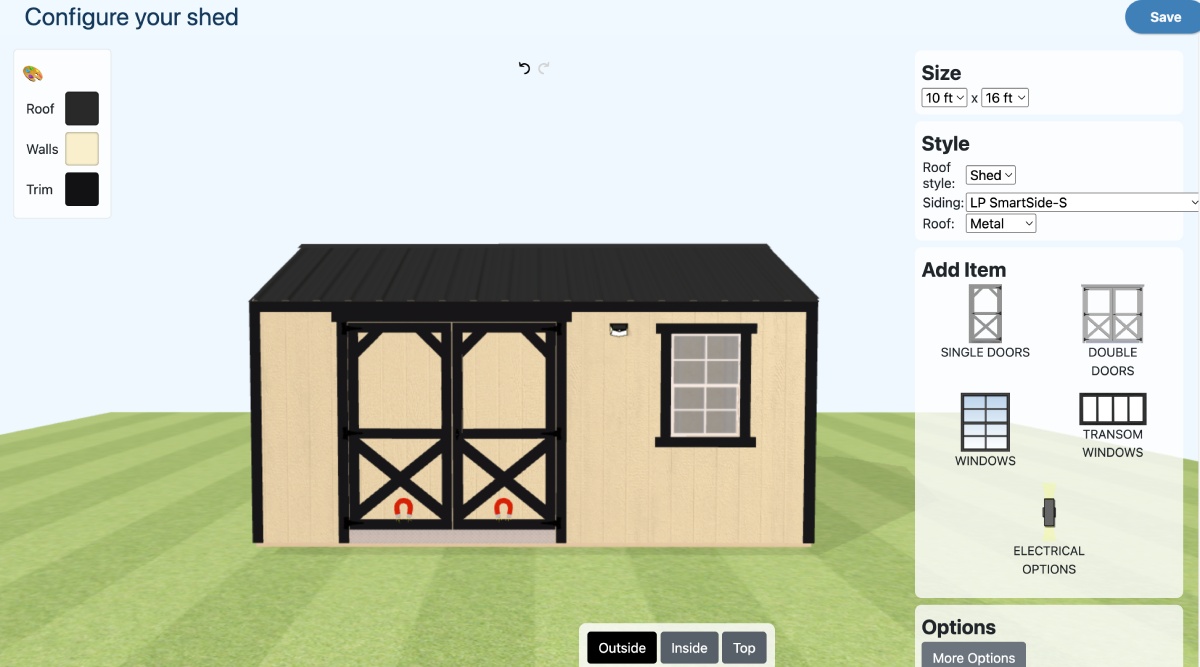
Want to visualize your future chicken coop before buying?
Our 3D Shed Builder Tool makes it easy to explore sizes, styles, colors, and layouts. It is a smart way to see what works best in your yard before making a decision.
You can compare options, customize details, and create a coop that fits your flock and your property.
Contact TruPoint Backyards for Help
Not sure what coop size is right for your chickens?
Our team can help you choose a practical option based on:
- Number of chickens
- Yard size
- Future expansion plans
- Style preferences
- Budget goals
Contact TruPoint Backyards today and let us help you create the right chicken coop for your flock.
Final Answer: How Big Should a Chicken Coop Be for My Flock?
A good rule is to provide at least 4 square feet per chicken inside the coop and 8 to 10 square feet per chicken in the run. But in many cases, going larger is the better choice.
Think about your future flock, your yard, your climate, and how easy the coop will be to clean and maintain.
The best chicken coop is not just big enough for today. It is built to support your flock for years to come.
If you are ready to create a chicken coop that looks great and works beautifully, TruPoint Backyards is ready to help.