
Many homeowners purchase a shed thinking it will be a simple storage solution. At first, it may hold a few garden tools, seasonal decorations, or boxes. Over time, however, that same shed often becomes the place where heavier equipment ends up. Lawn tractors, snow blowers, tool chests, generators, and even workshop machines can quickly add a lot of weight to the floor.
This raises an important question that many property owners overlook.
Can your shed floor actually handle heavy equipment?
The answer depends on how the shed was built. Not every shed is designed to support serious weight. In fact, many mass produced sheds use lighter framing that can begin to flex, sag, or weaken over time when heavy loads are added.
At TruPoint Backyards, shed durability is a top priority. Every structure is designed with long term strength in mind. One key reason for this strength is the way the floor system is built.
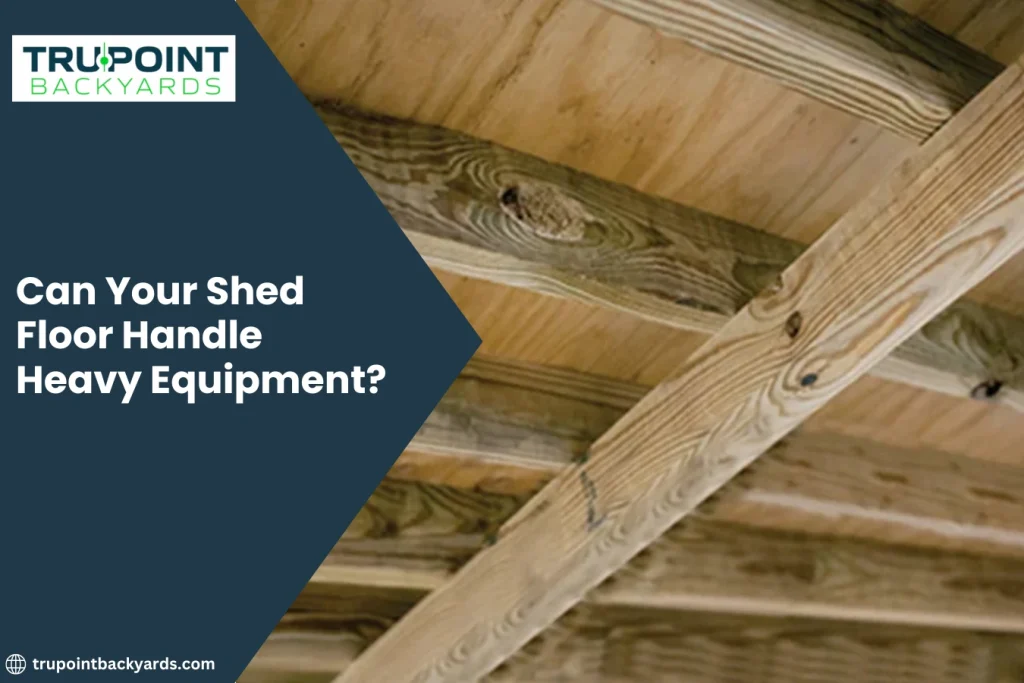
Instead of using the common 2×4 framing used by many builders, TruPoint Backyards uses 2×6 floor joists. This difference creates one of the stiffest and most reliable shed floors available.
In this guide, we will explore what determines shed floor strength, how heavy equipment affects structural performance, and why choosing the right shed builder matters when you plan to store serious equipment.
Why Shed Floor Strength Matters
Many people focus on the size, color, or style of a shed when they begin shopping. While those factors are important, the floor system is actually one of the most critical structural components of the entire building.
The floor supports everything placed inside the shed. If the floor system is weak, the entire structure can suffer.
Heavy loads create pressure points across the floor surface. When the framing underneath is not strong enough, several problems can occur.
Common issues include:
• Floor sagging in the center
• Soft spots that flex under weight
• Doors becoming difficult to open
• Structural stress on the walls
• Long term damage to the building
These problems are often caused by undersized floor joists or wide spacing between joists. Unfortunately, many sheds are built this way because lighter materials are cheaper and faster to install.
A shed that looks great on the outside may not be designed to handle serious weight inside.
That is why understanding floor construction is so important before making a purchase.
What Counts as Heavy Equipment in a Shed
When people hear the phrase heavy equipment, they sometimes imagine construction machines or industrial tools. In reality, everyday items found in many garages and sheds can place significant stress on a floor.
Here are several common examples.
Lawn Tractors and Riding Mowers
Riding mowers are one of the heaviest items typically stored in a shed. Depending on the model, these machines can weigh between 400 and 800 pounds. When parked in the same location repeatedly, that weight can compress weaker flooring.
Snow Blowers
Large snow blowers used in northern regions can weigh several hundred pounds. They also place concentrated pressure on the floor through their wheels.
Tool Chests and Workshop Equipment
Many homeowners turn their sheds into small workshops. A full rolling tool chest can easily weigh more than 500 pounds when filled with tools.
Other heavy workshop equipment may include:
• Table saws
• Drill presses
• Air compressors
• Work benches with mounted equipment
Garden Supply Storage
Bags of soil, fertilizer, and landscaping materials add up quickly. A few stacks of these items can create hundreds of pounds of concentrated weight.
Power Equipment
Generators, pressure washers, and outdoor power equipment can also add substantial load to the floor.
When all of these items are stored in one building, the total weight inside the shed can reach several thousand pounds.
This is why the floor structure must be strong and stable.
What Makes a Shed Floor Strong
Several factors determine whether a shed floor can handle heavy equipment safely.
Understanding these factors can help you make a better decision when choosing a shed.
Floor Joist Size
Joists are the horizontal boards that support the floor above them. The size of these boards plays a huge role in overall strength.
Many sheds use 2×4 joists. While these can work for light storage, they are more prone to bending or twisting over time.
TruPoint Backyards uses 2×6 floor joists, which provide a much stronger structural base.
The additional height and thickness allow the joists to carry heavier loads with less flex. This results in a much stiffer floor.
Joist Spacing
Spacing between joists also affects strength. When joists are placed closer together, the weight of items above them is distributed more evenly across the floor.
Wider spacing may save materials, but it can increase the chance of sagging over time.
Floor Decking Material
The decking is the surface layer you walk on. Strong decking works together with the joists to distribute weight.
High quality sheds use durable flooring materials designed to resist moisture and heavy loads.
Support Structure
The shed foundation also contributes to overall floor performance. A properly supported base helps prevent shifting and uneven stress across the floor system.
When all of these elements work together, the result is a shed floor capable of supporting heavy equipment safely.
The Advantage of the Stiffest Floor in the Industry
At TruPoint Backyards, strength is built into every shed from the ground up.
One feature that sets these sheds apart is the use of 2×6 floor joists instead of the typical 2×4 framing used by many builders.
Why does this matter so much?
A larger joist provides significantly greater resistance to bending under weight. When equipment is stored inside the shed, the joists distribute that weight across the entire floor system.
The result is a floor that feels solid when you walk on it.
Benefits of a stiffer floor include:
• Reduced floor flex under heavy equipment
• Better long term structural stability
• Increased confidence when storing valuable tools
• Less risk of sagging over time
• A more durable building overall
This construction approach is one reason many homeowners choose TruPoint Backyards when they want a shed that performs like a real building instead of a temporary structure.
Signs Your Current Shed Floor May Not Handle Heavy Equipment
If you already own a shed, you may wonder whether it is strong enough for the equipment you plan to store.
Several warning signs may indicate that your shed floor is struggling under the weight.
The Floor Feels Soft
When walking inside the shed, the floor should feel firm and stable. If you notice flexing or bouncing, the joists may not be strong enough.
Visible Sagging
Look at the floor from outside the shed. If the center appears slightly lower than the edges, the structure may be sagging.
Doors Are Hard to Open
Floor movement can affect the alignment of the entire shed. If doors begin sticking or rubbing, the frame may be shifting due to structural stress.
Cracking or Warping
Severe stress on the floor can eventually lead to cracks or warping in the flooring material.
If you notice these signs, it may be time to consider upgrading to a stronger shed built for heavier loads.
Planning a Shed for Equipment Storage
If you plan to store heavy equipment, thoughtful planning can make a big difference.
Here are several tips that can help you choose the right shed for your needs.
Consider Future Storage Needs
Many people underestimate how much equipment they will eventually store. It is wise to plan for future purchases such as larger mowers or additional tools.
Choosing a stronger floor system from the start prevents problems later.
Select the Right Shed Size
Extra floor space helps distribute weight more evenly. A slightly larger shed can provide better organization and reduce stress on specific areas of the floor.
Organize Weight Carefully
Heavy equipment should be positioned in areas where the structure is best supported. Spreading weight across the shed instead of concentrating it in one spot can also help.
Invest in Quality Construction
A well built shed may cost more upfront, but it often saves money over time by preventing structural issues.
A strong floor is one of the most important investments you can make in a backyard building.
Why Homeowners Choose TruPoint Backyards
When searching for a durable shed, many property owners want more than a basic storage box.
They want a building that looks great, performs well, and lasts for years.
TruPoint Backyards focuses on delivering exactly that.
Every structure is built with attention to quality, durability, and practical use.
Homeowners appreciate several key advantages.
Strong Floor Construction
The use of 2×6 floor joists creates one of the stiffest floor systems available in backyard sheds.
This design provides the confidence needed to store heavy equipment without worrying about structural weakness.
Custom Design Options
Every property is different. TruPoint Backyards allows customers to design a shed that fits their space, style, and storage needs.
Attractive Backyard Structures
A shed should complement your property rather than look out of place. Customers can choose designs that match their home and landscape.
Durable Materials
Quality materials ensure the building performs well year after year.
These benefits make TruPoint Backyards a trusted choice for homeowners looking to invest in a reliable backyard building.
Design Your Perfect Shed with the 3D Shed Builder Tool
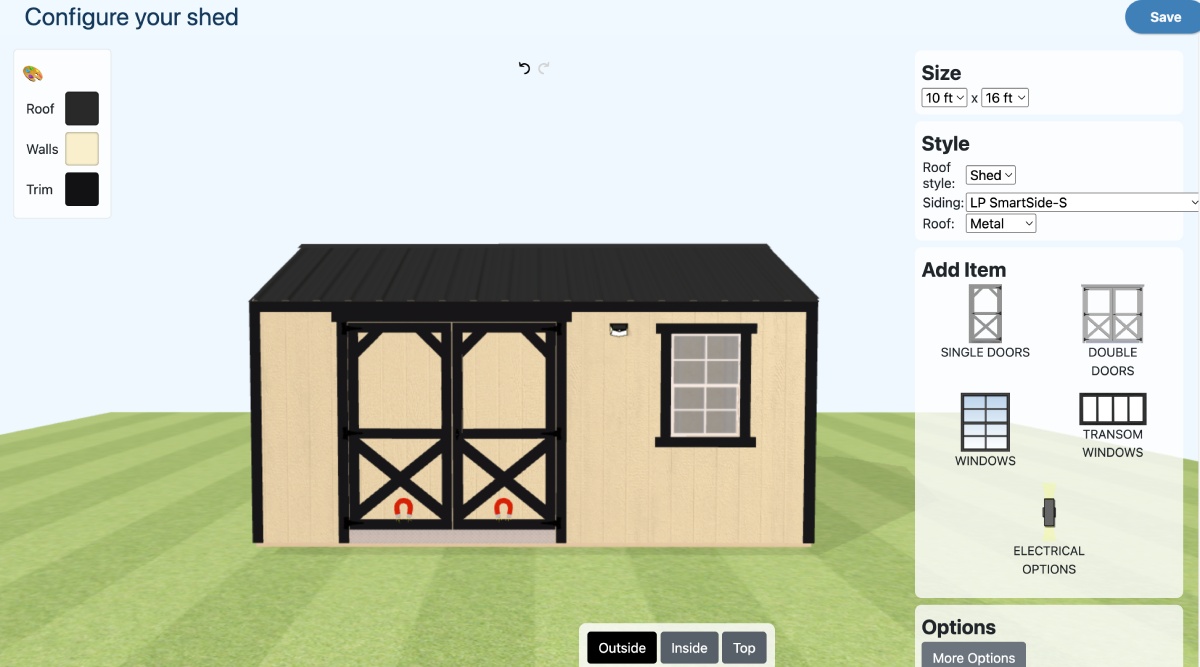
One of the easiest ways to plan your ideal shed is by using the TruPoint Backyards 3D Shed Builder Tool.
This interactive tool allows you to design a shed exactly the way you want it.
You can explore different options such as:
• Shed sizes
• Door placements
• Window layouts
• Color combinations
• Interior configurations
As you make adjustments, you can instantly see how the shed will look in real time.
This makes it much easier to plan a building that fits your backyard and storage needs.
If you plan to store heavy equipment, the tool helps you visualize the space required to keep everything organized.
Try the 3D Shed Builder Tool today and start designing a shed that works perfectly for your property.
Get Expert Help from the TruPoint Backyards Team
Choosing the right shed involves more than just picking a size and color.
If you plan to store heavy equipment, it is important to make sure the structure is built to handle the load.
The team at TruPoint Backyards is always happy to help guide you through the process.
Whether you have questions about floor strength, storage planning, or customization options, experienced professionals are ready to assist.
Contact TruPoint Backyards today to discuss your project and learn how a well built shed can improve your backyard storage.
A strong shed floor gives you the confidence to store tools, machines, and equipment without worry.
When you invest in quality construction from the start, your shed becomes a dependable part of your property for many years.
Final Thoughts
A shed is more than just a place to store items. For many homeowners, it becomes the central hub for tools, equipment, and backyard projects.
That is why the strength of the floor matters so much.
Heavy equipment can quickly reveal weaknesses in sheds built with lighter materials or undersized framing.
By choosing a shed built with 2×6 floor joists, homeowners gain the benefit of one of the stiffest and most reliable floor systems available.
This added strength provides stability, durability, and peace of mind.
If you are planning to store riding mowers, power equipment, or workshop tools, investing in a strong shed floor is one of the smartest decisions you can make.
Use the TruPoint Backyards 3D Shed Builder Tool to design the perfect shed for your needs, and reach out to the team today to get started on your project.
A stronger shed begins with a stronger floor.